
The best time to visit the Mekong Delta depends on the trip
The best time to visit the Mekong Delta depends on whether you want drier days, fruit gardens or the water-filled forest at Tra Su. December to April is the usual drier-weather choice. May to August suits an orchard-focused visit, while September to November is the tourism recommendation for Tra Su. These interests overlap with different river and weather conditions.
Choose the activity first, then make space for changes to a boat day. A seasonal recommendation describes a useful planning window, while the conditions on the day determine departures. Can Tho, Cai Be, Ben Tre and Chau Doc also sit in different parts of this river region, so use a local forecast for the place you will actually visit.
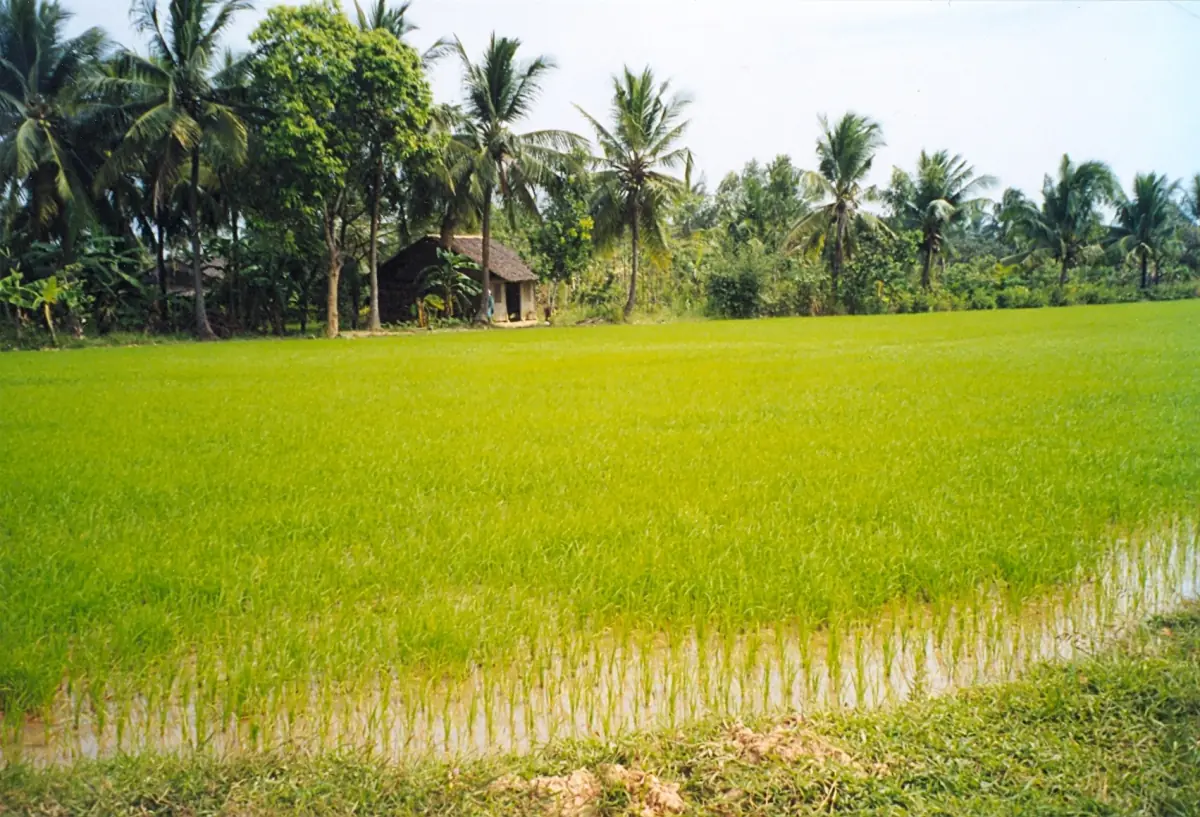
Dry season from December to April
The national tourism authority describes December to April as the predominantly sunny and dry period for the delta. This is a useful starting point for a visit built around road travel, river trips and time outside. Keep your itinerary centred on a manageable area rather than treating the drier season as a reason to fit every delta town into one day.
For Cai Rang, season and time of day are separate decisions. The market is an early-morning visit and quieter than in the past. A dry-season date does not replace planning the morning boat and the previous night's base. Read the floating-market guide alongside your accommodation plans.
Tra Su forest excursion
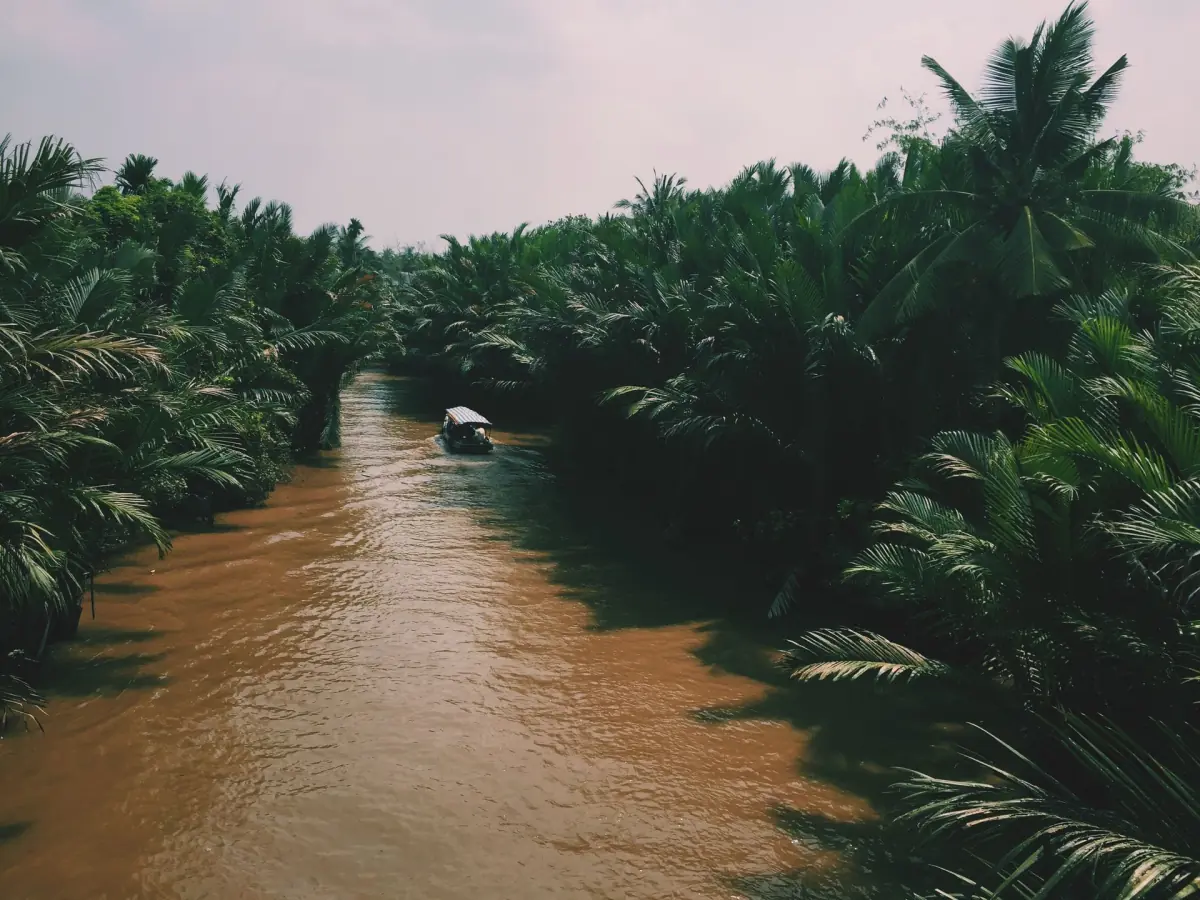
The twelve-hour trip from Can Tho includes motorboat and sampan rides in Tra Su.
Hand-picked tours, booked through GetYourGuide. Prices are indicative starting prices in US dollars (as of November 2026). Tap a tour for live availability and the current price in your currency.
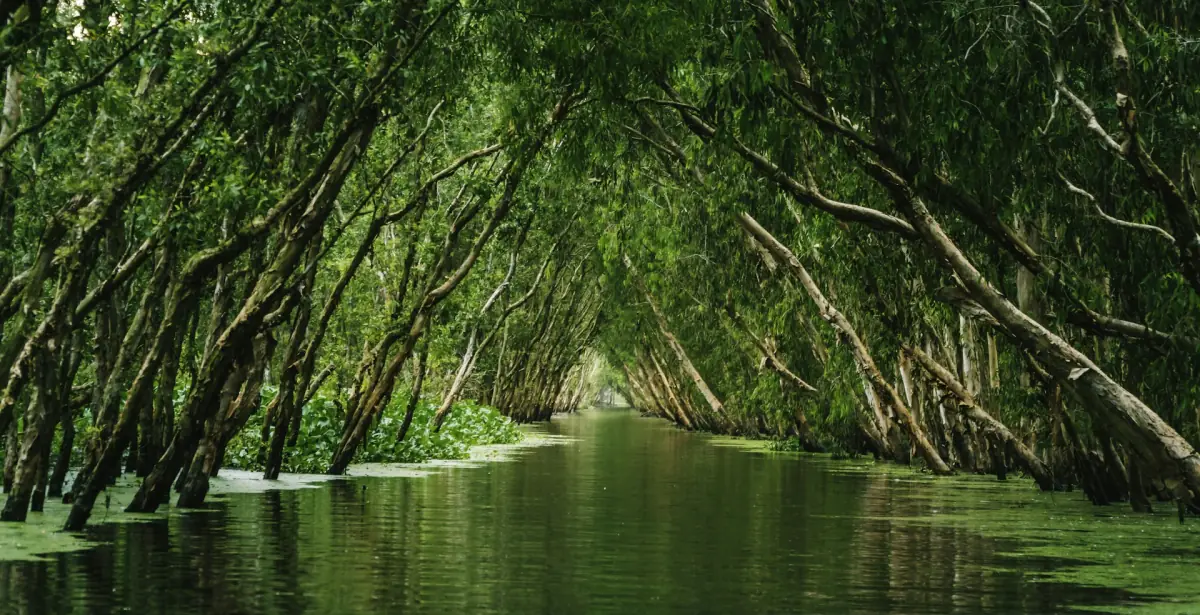
A day from Can Tho to Tra Su
The twelve-hour outing combines road transport from Can Tho, a guide, motorboat and hand-rowed sampan rides, entrance fees and lunch.
Orchards from May to August
May to August is highlighted for orchards around Can Tho. This sits within the broader rainy period, so fruit-focused travel and drier-weather travel point to different months. Cai Be and Tan Phong also put gardens, small lanes and waterways at the centre of a stay. Select an area where those interests fit your route.
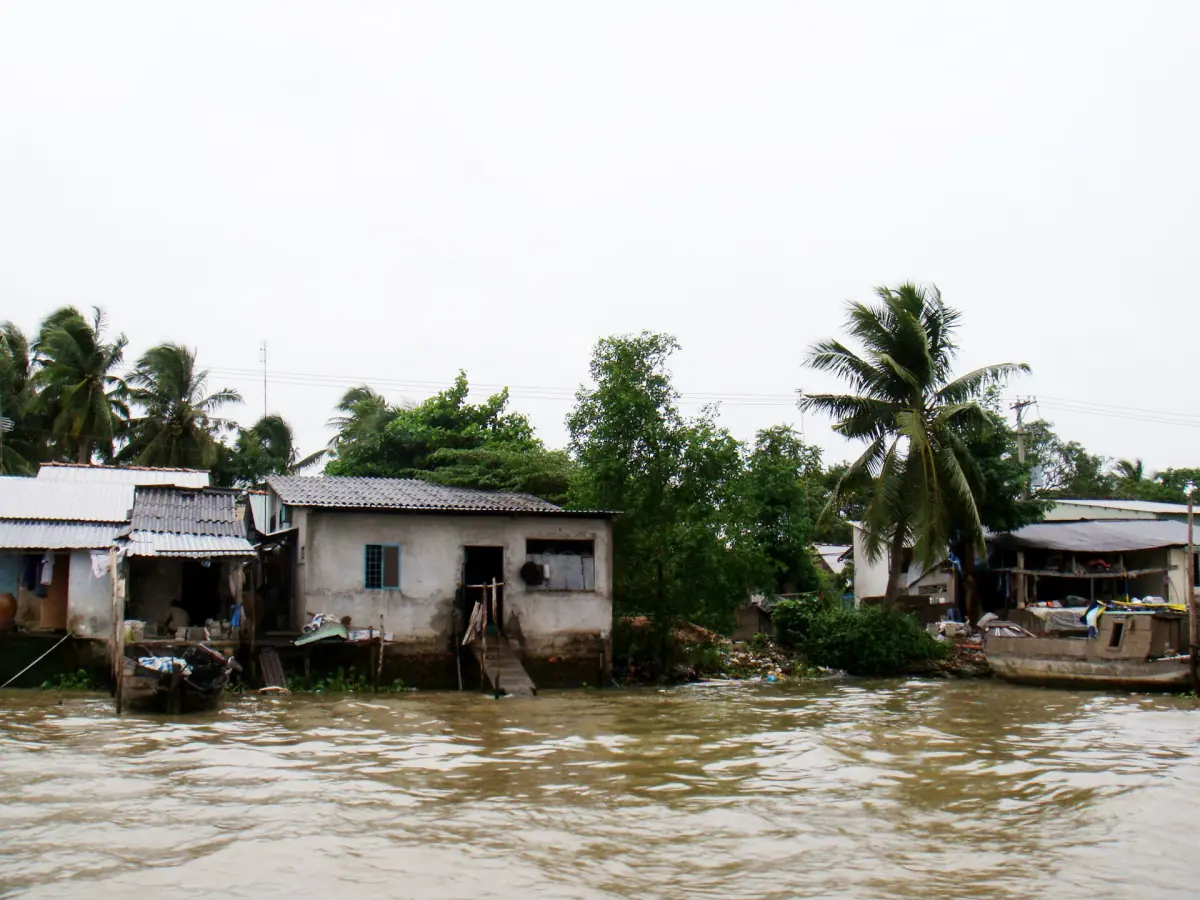
The rainy seasonal framework runs from May to November, with hot and humid conditions. Leave flexibility around outdoor activities and choose the accommodation location with the final crossing in mind. A garden stay can involve a ferry or boat after the road journey. The homestay guide explains the differences between riverside and island bases.
Tra Su from September to November
The tourism authority recommends September to November for water conditions in the Tra Su forest near Chau Doc. Tra Su is a landscape protection area with wetland forest and bird habitats. Plan a visit for the landscape and the boat experience, allowing wildlife sightings to remain part of what the day brings.
The day trip on this page starts with transport from Can Tho and lasts twelve hours. Its included activities are a motorboat cruise and a hand-rowed sampan ride, with an English-speaking guide, entrance fees to the named attractions and a regional lunch. This is a full day with a road component, so allow the whole day rather than fitting it between close onward connections.
Rain, tide and flooding
Rain and high tides can affect roads and boats. A police report dated 30 September 2026 describes flooded Can Tho streets on 28 September 2026. A separate forecast issued on 9 September covered a period ending on 14 September 2026. These dated events describe their own periods, rather than a continuing November closure.
The police report of 16 September 2026 describes weather-dependent boat departures at An Binh and sudden storm risks. Leave room to move a water activity when conditions require it. Use licensed landings, avoid overloaded boats and keep a life jacket on throughout the journey. Clothing and repellent for mosquito protection also belong in the packing plan; match personal health decisions to individual advice.
Ca Mau climate table: station 48914
The table uses the Japan Meteorological Agency monthly normals for Ca Mau station 48914, for 1991 to 2020. Ca Mau is in the southern delta. The temperature column is a monthly mean; it describes neither daytime maximum nor overnight minimum. These are station values, rather than measurements from Can Tho or an average across the whole delta.
Use the table to understand the seasonal pattern beside your activity choice. Historical normals describe long-term conditions, while the forecast for your destination is the tool for an approaching boat day. Keep road and ferry connections flexible enough to respond to the local situation.
| Month | Mean temperature °C | Rainfall mm |
|---|---|---|
| January | 26.4 | 36.5 |
| February | 26.9 | 19.1 |
| March | 28.2 | 33.1 |
| April | 29.2 | 67.2 |
| May | 29.1 | 206.6 |
| June | 28.2 | 280.4 |
| July | 27.9 | 328.9 |
| August | 27.8 | 285.9 |
| September | 27.7 | 382.0 |
| October | 27.4 | 341.8 |
| November | 27.5 | 251.3 |
| December | 26.8 | 94.0 |
Season questions
Which months are generally driest?
December to April is the drier seasonal framework given by the tourism authority. Choose your route within that period, then use the local forecast for the specific date and destination.
When is Tra Su a seasonal option?
September to November is the tourism recommendation for its water-filled forest setting. Actual boat operation depends on conditions, and the twelve-hour Can Tho outing includes both the road journey and forest boat activities.
Does the climate table describe Can Tho?
It describes Ca Mau station 48914, using monthly mean temperature and rainfall normals for 1991 to 2020. Use a Can Tho forecast for a forthcoming Can Tho visit.
What changes around Tet?
Plan your actual transport and market outing for the dates you will travel. Administrative days off and accounts of busier trading before Tet are different from an operating schedule for a particular boat or market visit.